What Is The World Day of Social Justice?
The World Day of Social Justice was first observed in 2009 and marks a day of recognition for the global injustices whilst proposing solutions and calling for changes to be made.
It covers a wide range of areas such as poverty, exclusion, unemployment, human right crises, and gender inequality. It is acknowledged that social development is indispensable for the maintenance and achievement of peace and security.
Recent years have addressed how events have contributed to the issue. These include:
- Armed conflicts
- Natural disasters
- Technological advances
- Increased migration flow
- Geopolitical tensions
- Covid-19
- Climate change
The UN Secretary General has called for the renewal of the social contracts between governments, more inclusion and global solidarity. It places emphasis on the importance of shared values, goals and means to respond to the needs of people internationally.
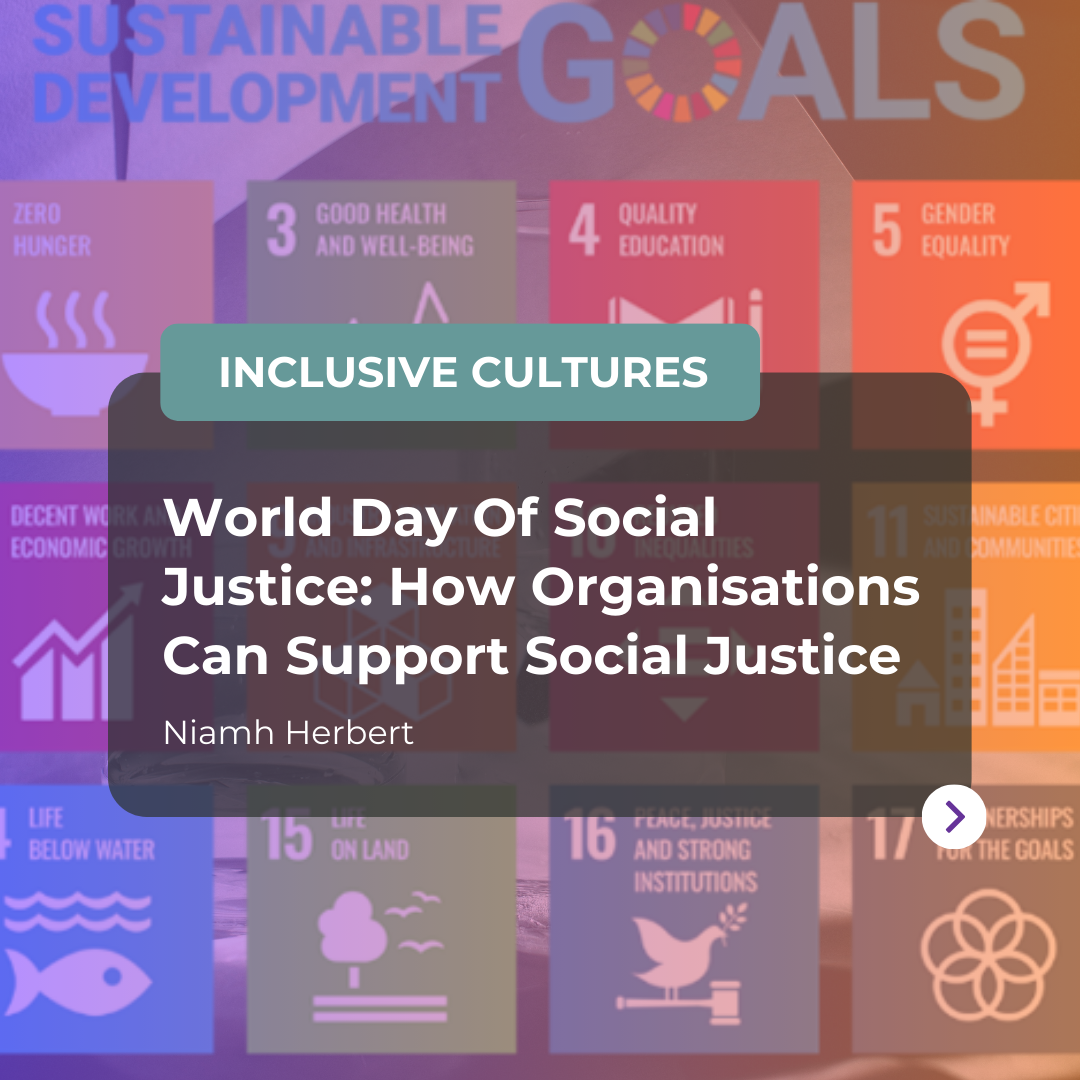
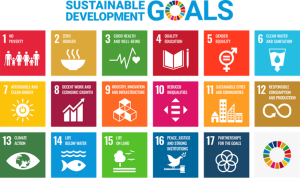
This is an essential part of achieving the Sustainable Development Goals by 2030. Among the 17 goals shown below, many are covered by Social Justice.
The 17 sustainable development goals (SDGs):
- No poverty
- Zero hunger
- Good health and well-being
- Quality education
- Gender equality
- Clean water and sanitation
- Affordable and clean energy
- Decent work and economic growth
- Industry, innovation, and infrastructure
- Reduced inequality
- Sustainable cities and communities
- Responsible consumption and production
- Climate action
- Life below water
- Life on land
- Peace, justice, and strong institutions
- Partnerships for the goals
How can individuals support social justice?
There are many ways we can help as individuals, despite the large-scale nature of these issues.
- Firstly, you can research local charities that you can donate to, that support an area of social justice such as gender equality, human rights, or poverty.
- You can educate yourself on different areas of the issue, and ensure you are getting the overall picture with factual information. This can help you evaluate your own beliefs and habits around these subjects and make any appropriate changes.
- If you find yourself in the situation to, you could hold a debate on what could be done and possible solutions. This can help you see different perspectives and share thoughts and ideas. This could work well in classrooms, friend groups or informal work socials.
(However, due to the sensitive nature of some of these topics, individuals must be aware that it may be too emotive or personal for some to discuss in these settings.)
How can organisations support social justice?
Organisations play a crucial role in promoting social justice and addressing systemic inequalities.
- 1. Support the health and wellbeing of your staff. This can be done by offering fair working conditions, pay and benefits. Additionally, providing access to resources and support services that address mental health, flexible work arrangements and family-friendly policies.
- 2. Develop inclusive policies, working towards a better workplace for all. This can be done by implementing practices and policies that promote diversity, equity and inclusion. Addressing toxic cultures, adopting non-discrimination policies, and establishing inclusive hiring and promotion practices ensures equal opportunities for all.
- 3. Engage with local communities and stakeholders to understand their needs and concerns. Support community initiatives, volunteer programs, and partnerships that address social justice issues. Also, you could support supplier diversity initiatives by partnering with diverse suppliers, including minority-owned, women-owned, and small businesses.
The history of world day of social justice:
Since 1919, the International Labour Organisation (ILO) has been a tripartite system within the UN which brings together governments, employers, and workers of 187 Member States from across the world.
They aim to adopt policies and principles that encourages good working practices for all, regardless of race, religion, gender, sexuality, class, geographical location.
The 2008 Declaration on Social Justice for a Fair Globalisation was the 3rd set of principles approved since 1919. It focuses on the progress and social justice action that is needed in the increasingly diverse, interconnected, and globalised world.
Find out more about World Social Justice Day on the UN Website, or contact us if you would like support to create a more inclusive culture in your workplace.