What is psychological safety and why does it matter?
Psychological safety as a term has existed since the 1960s, first appearing in ‘Personal and Organizational Change Through Group Methods’ by Edgar Schein and Warren Bennis, business psychologists and professors at the MIT Sloan School of Management.
Since then, a number of other notable psychologists have explored psychological safety in more detail, with a focus on areas beyond the organisational level, such as William A Kahn at the individual level, and more recently Amy Edmonson, in her work exploring psychological safety at the team level.
Psychological safety was famously cited in Google’s Project Aristotle, where the tech giant found psychological safety to be the number one critical factor for team effectiveness.
So why does it matter? Put simply, psychological safety in the workplace is proven to foster innovation, high performance and profitability.
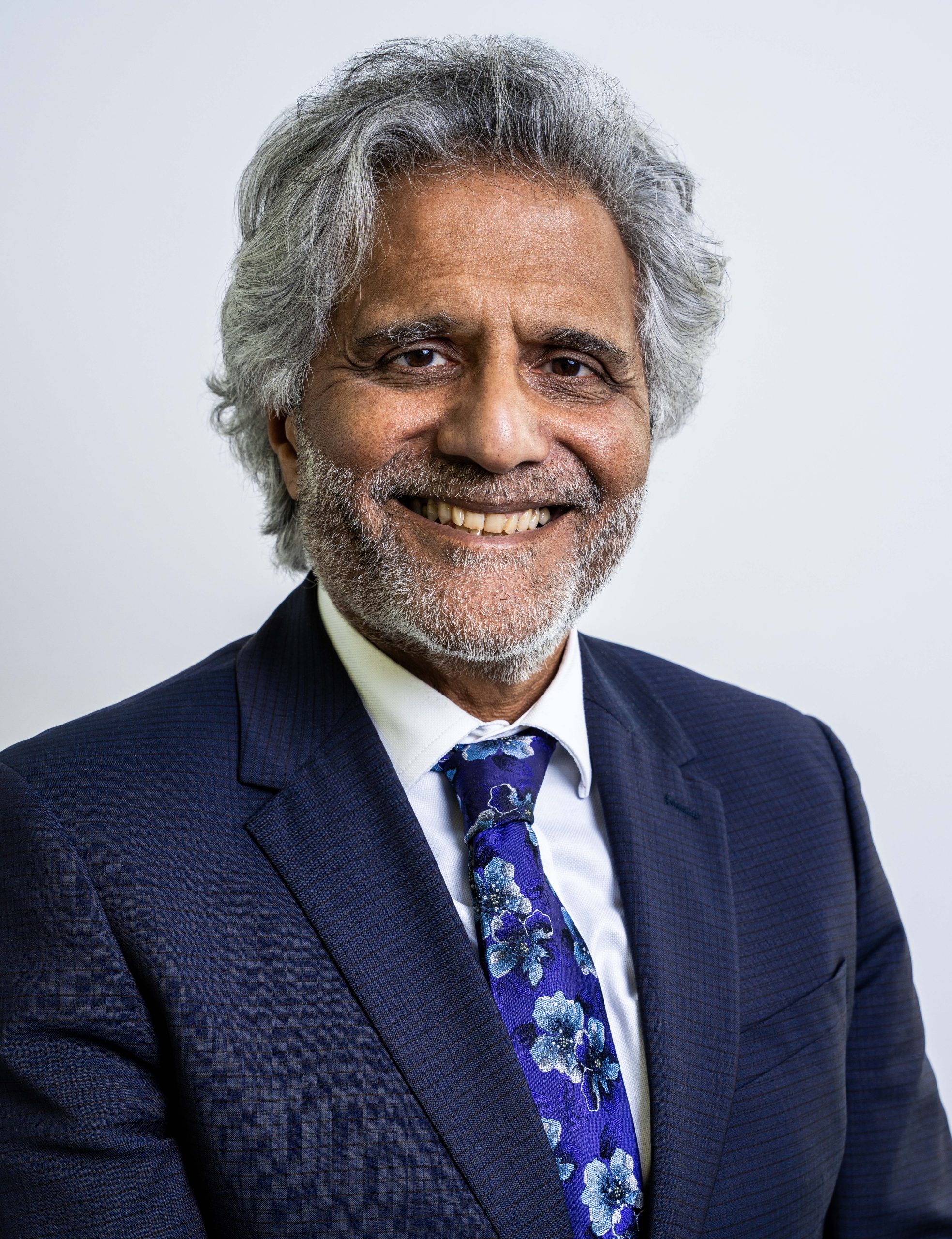
Professor Binna Kandola OBE, our co-founder and senior partner, further explores psychological safety – its history, its meaning, its impact, and how to achieve it, in his book Building A Psychologically Safe Work Environment.
It was in writing this book that the PK Model of Psychological Safety was formed, recognising the need for psychological safety to exist at the organisational, team and individual level simultaneously – and how it can be undermined if present in one area but not another.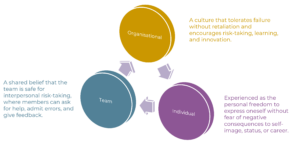 As Binna notes in his book, much of what we call psychological safety today has existed long before the term was coined – and strongly overlaps with areas like trust and personal freedom.
Psychological safety in the workplace, then, focuses on the extent to which the environment and interpersonal relationships foster a sense of security – for individuals and for teams – to innovate, to take risks, to speak up.
It’s these elements that allow for critical debate, for problems to be spotted and resolved, for new ideas to form, for optimum engagement and productivity.
Crucially, however, the phrase psychological safety is often misinterpreted. For example, the word ‘safety’ in itself has connotations that are perhaps misleading.
Psychological safety is not, for example, a guarantee of comfort – you can of course feel uncomfortable but be perfectly safe. It is not an excuse to shut down or avoid difficult conversations. It is not an opportunity to take risks for risk’s sake, without accountability. It is not an excuse for endless debate, without action, resolution or results.
Put simply, where high innovation, talent retention and high performance exist in a workplace, you will find psychological safety – enabled by organisational policies and procedures, leadership role modelling and team respect and collaboration.
There are fantastic examples of psychological safety in action in organisations, such as Microsoft under Satya Nadella’s leadership and General Motors under Mary Barra’s – and vital examples where a lack of psychological safety has destroyed an organisation’s reputation or caused it to collapse , such as in the case of Boeing and Enron respectively.
To work, psychological safety must be embedded in your culture, your leadership and your employees – because it’s a shared responsibility that will reap the rewards for each individual, as well as your organisation.
Get in touch